

You've probably been there. You see a bag you like in a store, you buy it, and then a few weeks later, you realize it doesn't go with your evening wear, your busy days, or that quickly returning urge for a change. That's where the question of a customizable bag versus a classic bag really makes sense.
The real issue isn't just about style. It's also about freedom of use, the product's lifespan, how it fits into your daily life, and, let's be honest, the joy it brings you every time you carry it. Between a fixed piece and one that evolves with you, the gap can be much wider than it seems.
A classic bag is based on a simple idea: you buy a model as it was designed, with its shape, color, strap, details, and definitive look. It's a quick choice, often reassuring, sometimes love at first sight. It has the advantage of simplicity. You see it, you like it, you buy it.
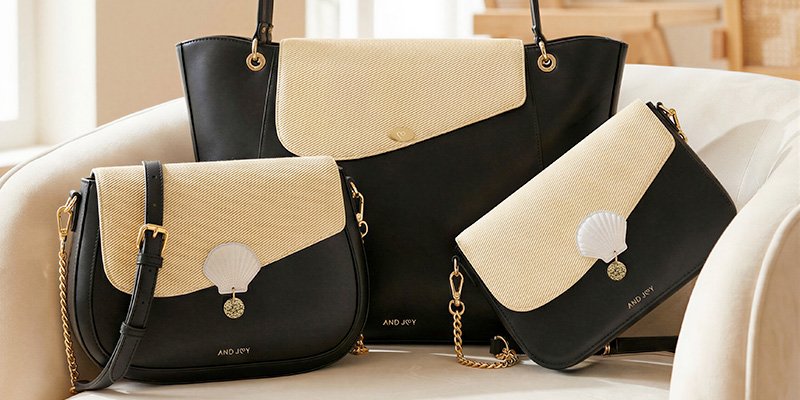
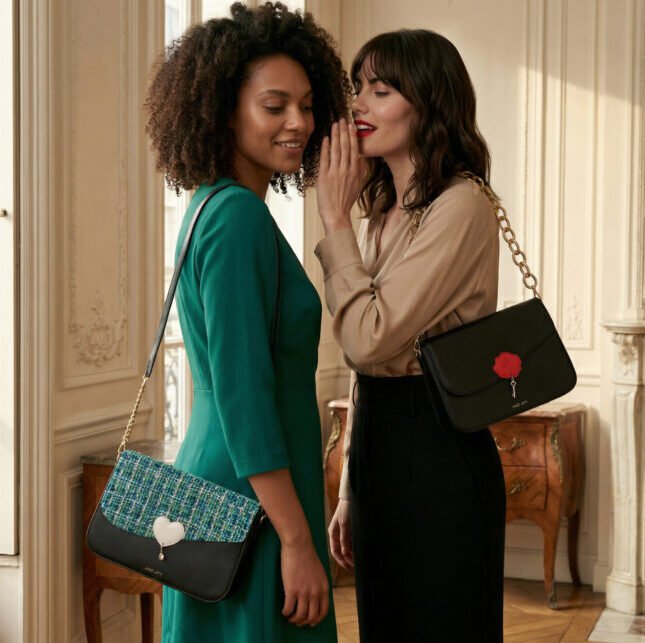
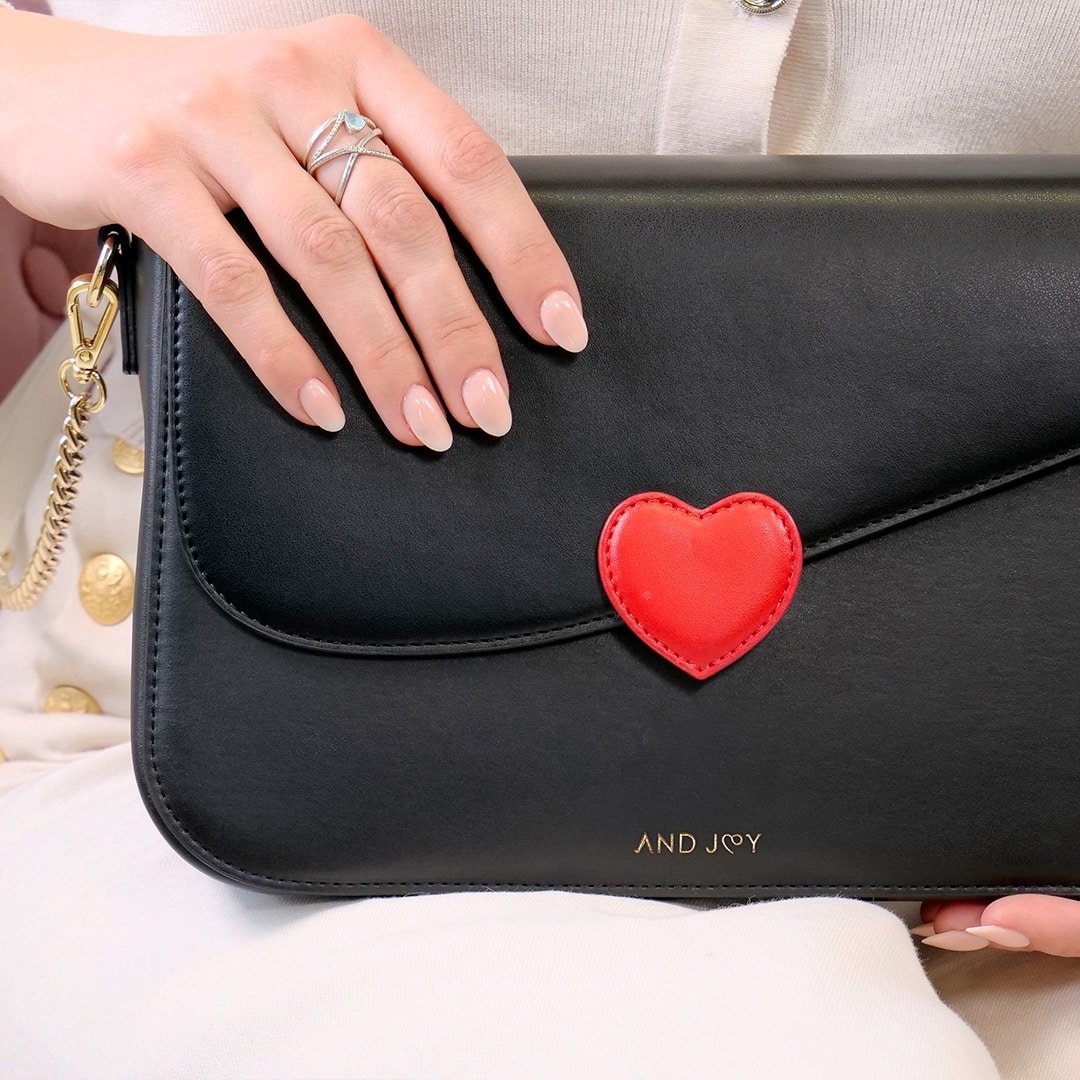
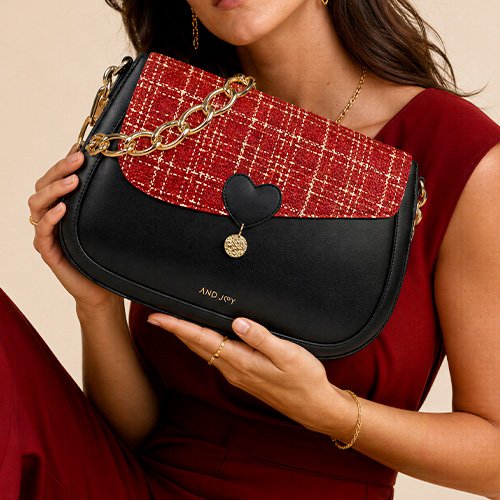
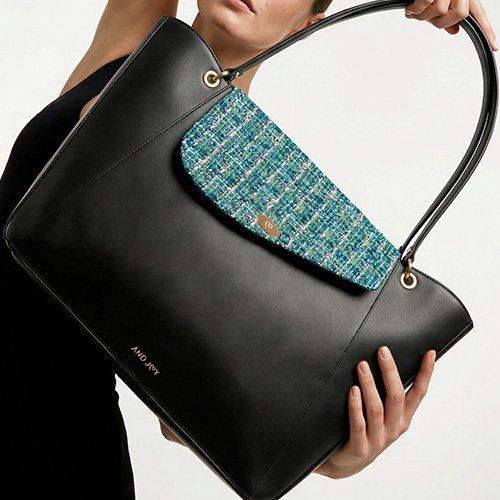
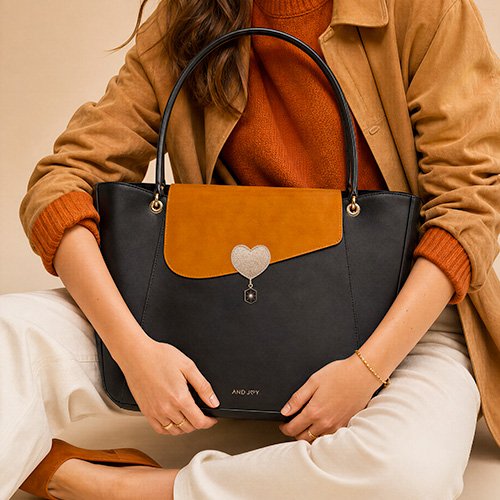
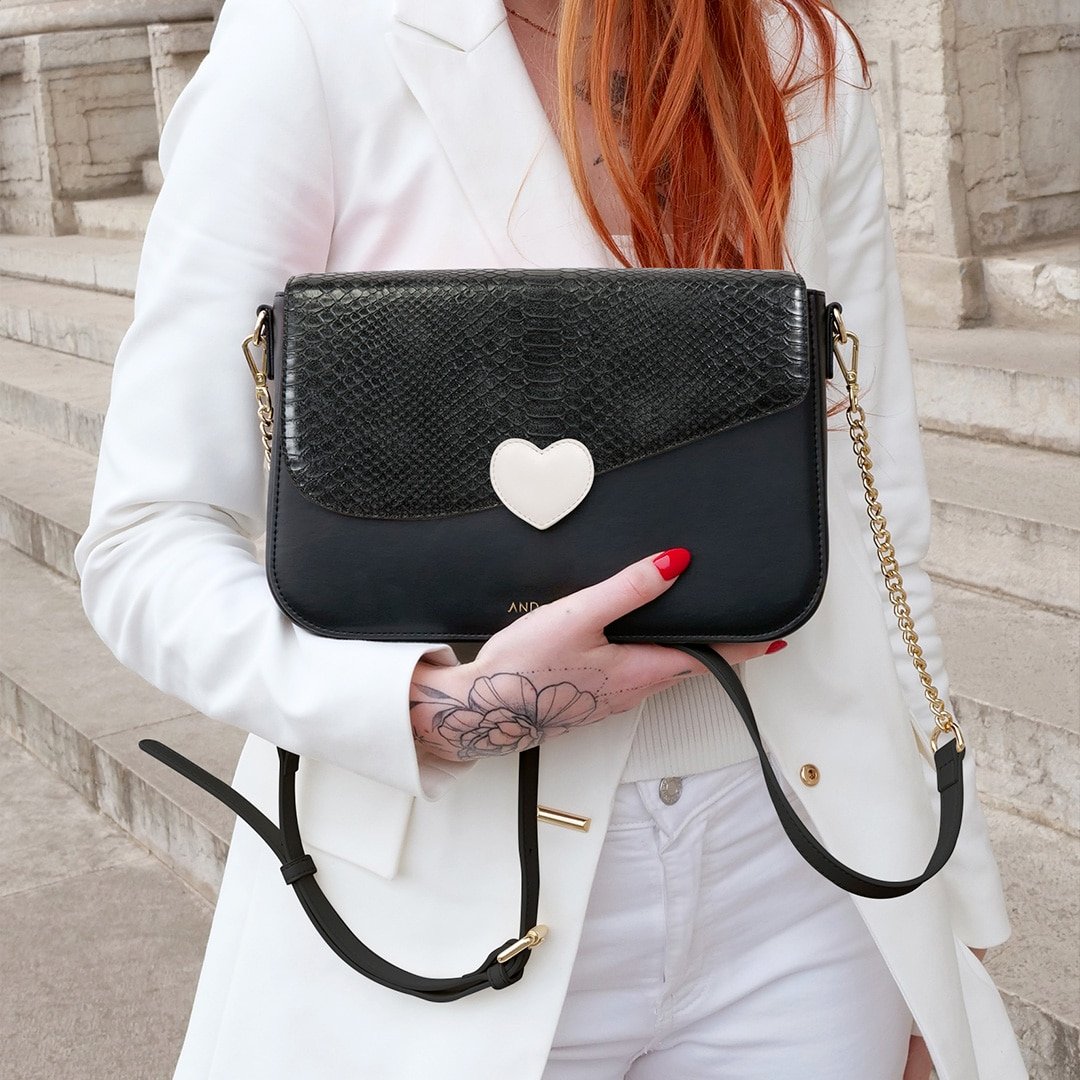
The customizable bag, however, changes the game. It's no longer just about choosing a bag, but about creating a piece that matches your style and your needs. Colors, flap, clasp, strap, finishing details, or accessories—each element can contribute to creating a more personal result. The bag becomes less standard, more vibrant, more expressive.
This difference seems aesthetic, but it's also very practical. A classic bag imposes a stable identity on you. A customizable bag lets you build your own and evolve it. For a woman who likes to vary her looks without making unnecessary purchases, this isn't a minor detail. It's another way to consume fashion.
The classic bag is no slouch. It can even be perfect in certain situations. If you're looking for a very understated, immediately wearable piece, without extra thought, it often meets expectations. It also suits those who like consistent, unchanging silhouettes with a well-defined wardrobe.
It can also be reassuring if you're buying your first nice bag. A timeless shape, a neutral color, an elegant line, and you have a piece that's easy to pair. For some, this stability is a strength. The classic bag has this ability to blend into an outfit while still looking chic.
But this simplicity has a limit. As soon as your desires change, your uses diversify, or your wardrobe alternates between very urban looks, dressier silhouettes, and more casual moments, the fixed bag sometimes shows its limitations. It works well in a given context, less so when you need to step outside the planned scenario.
If customizable bags are attracting more and more people, it's not just because they're pretty or original. It's because they meet a very current expectation: wanting fashion that is more personal, more durable, and smarter.
Today, we don't necessarily want to buy a new bag with every change of season or mood. We want a piece that keeps pace with real life. A piece capable of going from a professional meeting to dinner, from a minimalist look to a more assertive outfit. Customization provides this flexibility.
It also brings something else, more intimate. The feeling of carrying a bag that doesn't look like all the others. A bag chosen in its details, designed for your habits, matched to your look. This isn't gratuitous fantasy. It's a way to put personal expression back at the center, without sacrificing quality or functionality.
In this logic, modularity becomes a real asset. Changing a flap, a strap, or a clasp allows you to refresh the style without replacing the entire product. It's smarter, more sustainable, and often more satisfying than a quickly forgotten impulse purchase.
To choose between a customizable bag or a classic bag, the right approach isn't just to start with aesthetics. You need to start with your daily life.
If you always use the same format, in the same context, with very stable needs, a classic bag might suffice. For example, a small shoulder bag for outings, or a tote dedicated to work. In this case, the function is clear, and the piece stays in its place.
But if you like the same bag to accompany you through several moments in life, customization has the advantage. You can adapt the look without giving up the base you already love. A more casual strap for the day, a more sophisticated detail for the evening, a color that changes with the season, and the bag goes with the flow.
It's also a very relevant choice if you're mindful of your closet space. Instead of accumulating several similar models, you invest in an evolving piece. The gain isn't just visual. It's also practical and mental. Fewer duplicates, more possibilities.
The purchase price never tells the whole story. A classic bag might seem simpler to choose, sometimes more affordable depending on the models. But if you buy several to meet different uses or style desires, the cost quickly adds up.
The customizable bag requires a different approach to budget. The initial investment can be seen as a durable base, to be evolved with components or accessories. This allows for more targeted style changes, without starting from scratch every time.
Regarding durability, the difference is interesting. A fixed bag that you get tired of often ends up in the closet, even if it's still in good condition. A modular bag, however, is more likely to remain desirable longer since it can transform. The product lasts better when it continues to please.
You also need to look at the quality of the materials and manufacturing. A customizable bag only makes sense if it's built on a beautiful, well-designed base that's comfortable to wear and made to last. When the design is meticulous, the material premium, and the manufacturing serious, customization isn't just a gadget accessory. It becomes a real added value.
The choice of a bag is no longer just about fashion. It's also about consistency. Many women today want desirable accessories, but also ones that are more aligned with their values.
The traditional classic bag is often built on a linear consumption model: one product, one function, one style, then a replacement. The customizable bag can offer a more responsible approach, especially when it relies on non-animal materials, replaceable components, and quality European manufacturing.
This logic changes the relationship with the object. You're not buying a fixed piece destined to be replaced. You're choosing a style companion that you evolve. It's gentler on your wardrobe, more consistent with a desire to consume better, and often more rewarding in the long run.
This is also what makes brands like And Joy particularly relevant today. The idea isn't to push you to own more, but to enable you to compose better. More than a bag, it's a choice.
Ask yourself a very simple question: do you like to always repeat the same style, or do you like to make your accessories live with you? If you prefer obviousness, stability, and a single use, the classic bag can remain your best ally.
If you like to nuance your look, personalize details, and get more out of a beautiful piece in multiple contexts, the customizable bag clearly has an edge. It gives you freedom without asking you to give up elegance. It follows your desires instead of limiting them.
There isn't one universal right choice. There's the right level of adaptability for your pace, your style, and how you buy fashion. Some women will always have an attachment to the iconic bag, designed as a single piece. Others won't want to go back after experiencing the pleasure of creating their own perfect match.
Ultimately, the best bag isn't the one that gets the most buzz. It's the one that's enough like you to stay, and flexible enough to keep pleasing you as your style evolves with you.





Welcome offer
Leave us your email: −10% for 30 minutes, even on bundles already at −20%.
By validating, you agree to receive our emails. Unsubscribe in one click.
It's done!


