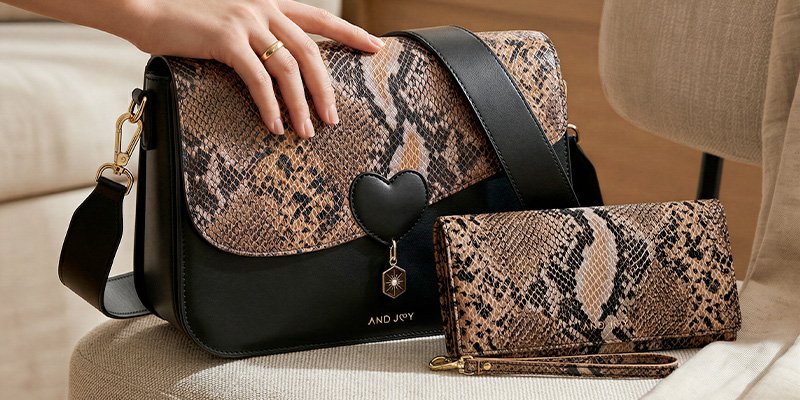
You know a good bag from the first few days of use. It sits well on your shoulder, keeps up with your pace, and elevates your look effortlessly. But a sustainable fashion bag for women isn't just about a beautiful design or eco-friendly material. The real test is its ability to remain desirable, useful, and durable long after purchase.
That's where things get interesting. Between marketing promises, fleeting trends, and impulse buys we regret six months later, choosing a responsible bag requires a bit more than just falling in love at first sight. You have to consider what the bag says, of course, but more importantly, what it allows you to do in real life.
A responsible bag isn't automatically perfect. Instead, it fits into a more just, coherent, and sustainable philosophy. For a woman who loves fashion but refuses to overconsume, this means choosing a piece designed to last, carefully crafted, and capable of adapting to various life moments.
The first confusion often comes from materials. A non-animal bag isn't always responsible by definition. It all depends on the quality, composition, lifespan, and how the product was designed. A premium recycled material, well-crafted and durable, can offer a truly desirable alternative if it's part of serious manufacturing.
The other essential criterion is usage. A bag you adore but rarely carry is still a bad purchase. Conversely, a versatile, well-constructed piece that's expressive enough to complement different looks often has a more positive impact because it replaces several successive purchases.
Let's be clear, we don't buy a bag just to check an ethical box. We buy it because we like it, because it makes a statement, because it adds flair to our everyday look. Sustainable fashion truly works only when it remains deeply desirable.
This is even a decisive point. If a bag seems too plain, too technical, or too far from your style, it will end up in the closet. Responsibility also starts there: in a piece's ability to remain a staple in your wardrobe, season after season. A beautiful shape, a clean drape, neat finishes, an easy-to-match color, or, conversely, a strong detail that defines a silhouette—all of this matters.
The right balance isn't the same for everyone. Some are looking for a very minimalist bag, others want a more fashionable piece. The key is to choose a model that truly reflects you, not just a product presented as sensible.
Before you splurge, you need to look beyond the image. Manufacturing is a strong initial indicator. European production, for example, isn't an absolute guarantee, but it can reflect better oversight, more transparent craftsmanship, and higher quality standards.
Next, observe the bag's construction. A beautiful material isn't enough if the seams wear out quickly, if the finishes show marks too easily, or if the shape sags after a few weeks. A responsible bag must last over time, otherwise the promise falls flat.
Practicality matters just as much. Size, weight, closure, compartments, strap length—these details change everything. A stunning model that's a pain to carry quickly becomes a casting mistake. The right question isn't just "Is it beautiful?" but "Will I really wear it often?"
Finally, there's the question of adaptability. This is undoubtedly one of the most underestimated criteria, yet it radically changes the purchasing logic.
A fixed bag often imposes a single solution for all uses. One color, one look, one way to carry it. After a while, you want something else. You buy again. Then you accumulate. Modularity offers another path: keeping a strong base and evolving the style according to your desires or needs.
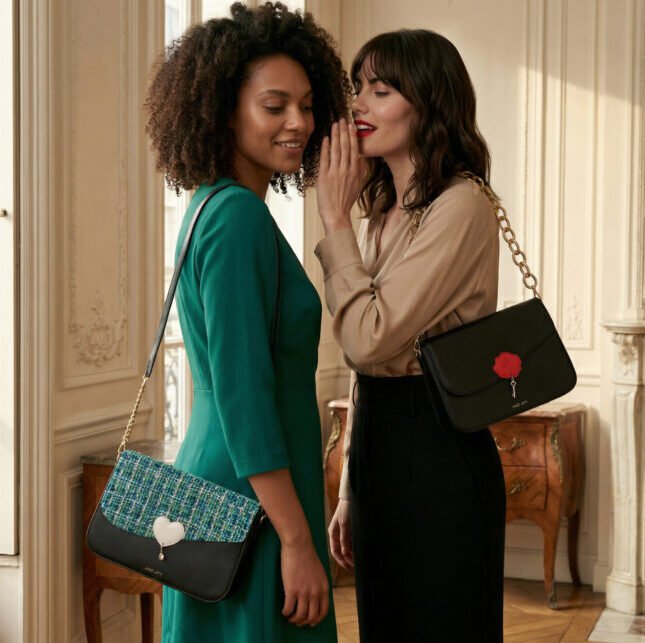
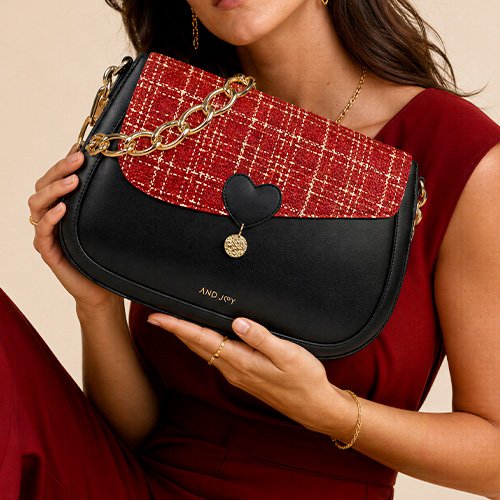
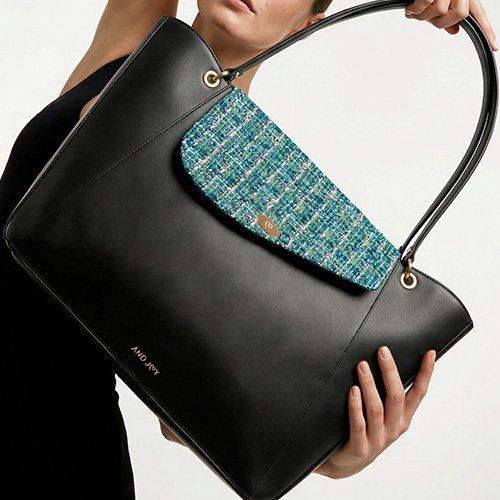
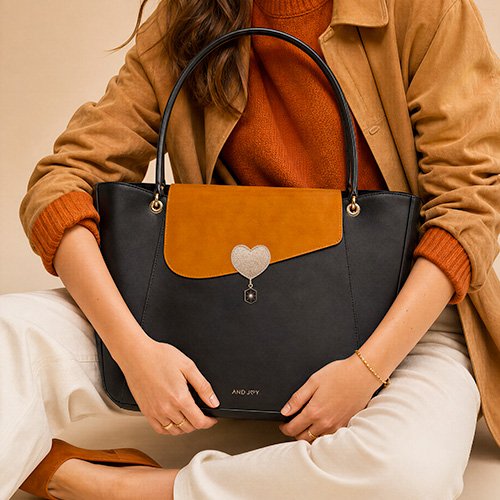
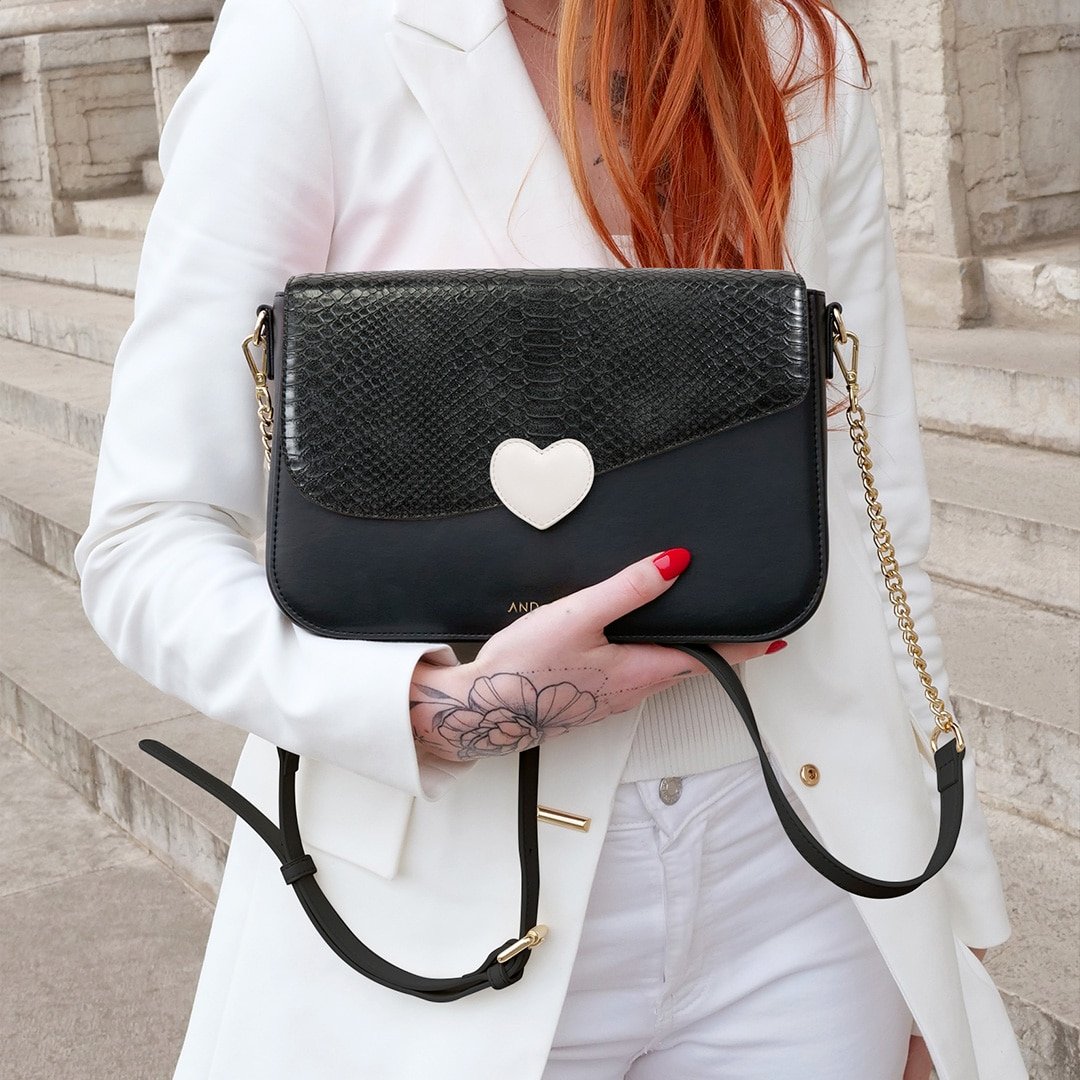
Being able to transform a bag's look with a different flap, a bolder strap, a more precious clasp, or a more personal detail isn't a gimmick. It's a smarter way to consume fashion. You refresh your look without replacing the entire item. You keep what works, and change what updates it.
For an active woman, this is particularly relevant. The same bag can become more minimalist for the week, more fashionable for dinner, more casual on the weekend. The result: fewer bags gathering dust, more real possibilities. More than a bag, a choice.
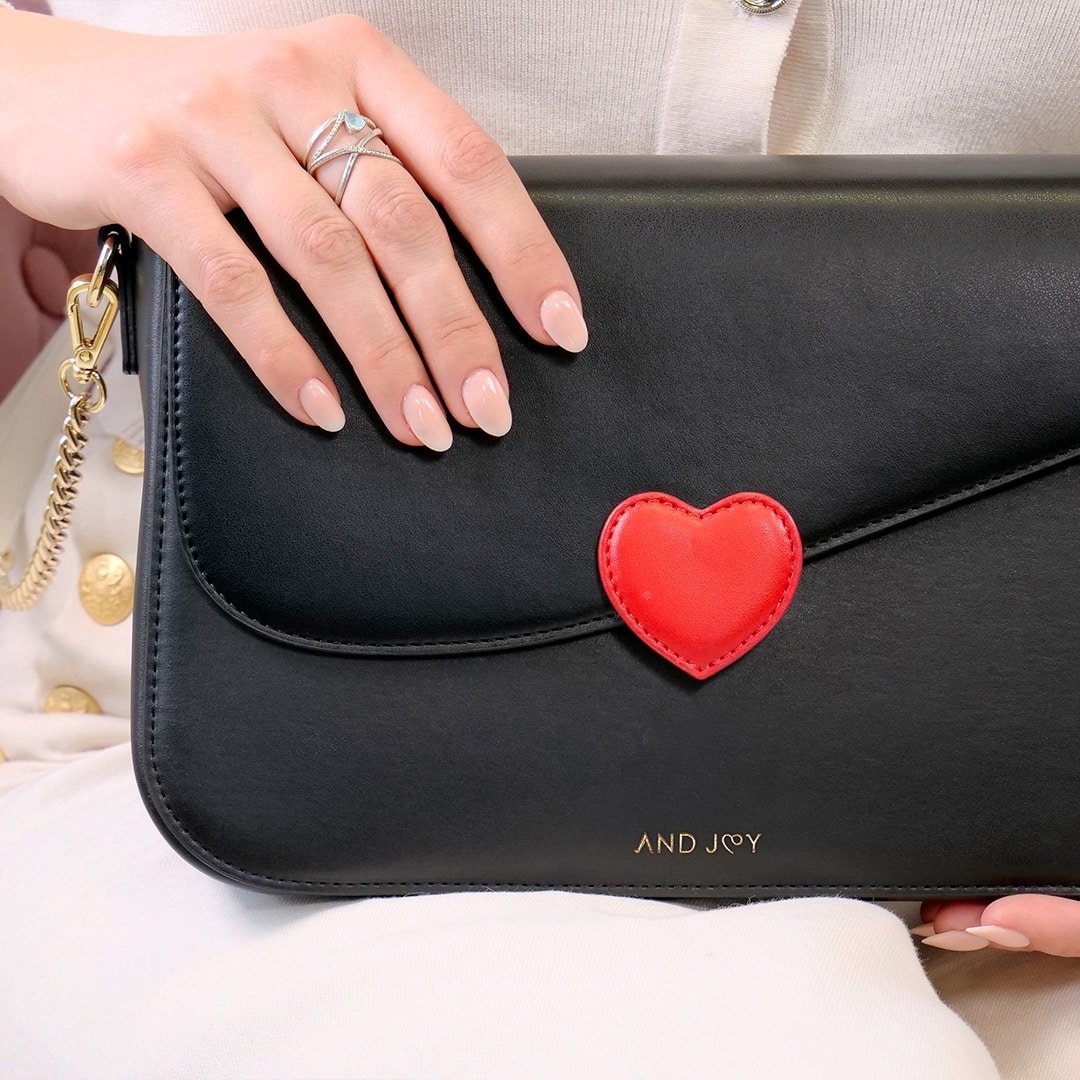
This logic appeals because it reconciles two often opposing desires: to indulge and to consume with more discernment. At And Joy, this idea takes a very concrete form with a system of interchangeable components that allows you to create a bag in your own image and evolve it without starting from scratch.
In the world of leather goods, material discourse is everywhere. Recycled, vegan, premium, innovative. These words are appealing, but they aren't all equal. A responsible material must be evaluated on several levels: its origin, its resistance, its appearance, its maintenance, and its ability to remain beautiful over time.
A non-animal material makes sense if it avoids the disposable effect. If it peels quickly, deforms, or loses all its character at the slightest rub, the intention isn't enough. Conversely, a well-selected, dense, flexible, and durable recycled material can offer a very fashionable, very premium, and truly interesting result over time.
The touch matters too. The luxury of use isn't secondary. You want a bag that feels good to carry, that you enjoy looking at, that holds its shape. Responsibility shouldn't diminish desire; it should make it more demanding.
The price of a sustainable bag might seem higher at first. That's often true. But the right calculation isn't limited to the initial cost. You need to look at the cost per use, the bag's ability to last through seasons, its versatility, and its manufacturing quality.
A model bought on impulse, worn ten times, then forgotten, ends up being expensive. A more refined piece, worn several times a week and that can evolve, quickly becomes a better investment. So, everything depends on your lifestyle, your wardrobe, and your relationship with fashion.
There's also an emotional dimension. You take better care of a bag chosen carefully, designed to last, and aligned with your convictions. This more durable relationship with the object changes a lot of things. You consume less quickly, but you enjoy it more.
The right bag isn't just about looking good in a photo. It works with your coats, your shoes, your busy days, your impromptu outings. It complements your style without confining it. This is often where a responsible piece stands out: it doesn't impose a theoretical use on you; it accompanies your real life.
Ask yourself simple questions. Can I wear it at least three times a week? Does it work with multiple outfits? Does it maintain a strong enough identity that I won't get tired of it? Does its quality justify its price? If the answer is too hesitant, it's better to wait.
The best purchase isn't always the trendiest one of the moment. It's the one that immediately feels right. A perfect look. A sense of ease. A pleasure that lasts.
There's still a persistent idea that responsibility means choosing neutral, sensible, understated accessories. The opposite is what's becoming interesting today. A responsible bag can be very fashionable, very feminine, very assertive. It can express a personality, a mood, a way of entering a room.
True modernity might be found there: in pieces capable of combining desire, consciousness, and freedom of style. Not in deprivation. Not in guilt. In a fairer, but always exciting, choice.
Choosing a bag is still about silhouette, projection, and pleasure. When that pleasure is based on better-thought-out materials, careful manufacturing, and a sustainable approach, the act simply has more value. And it's often this added meaning that makes you never want to let it go.





Offre de bienvenue
Laissez-nous votre email : −10 % pendant 30 minutes, même sur les lots déjà à −20 %.
En validant, vous acceptez de recevoir nos emails. Désinscription en un clic.
C'est fait !