

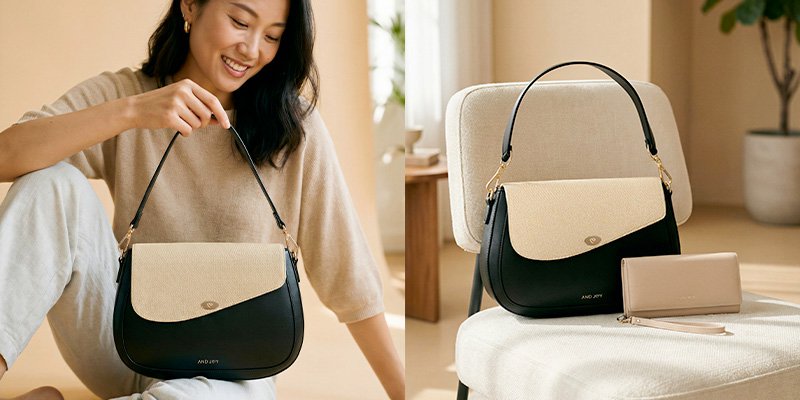
You can spot a good bag before even looking at its label. It hangs well, complements your figure, keeps essentials handy, and doesn't need you to forgive a lack of style. That's exactly why the search for the best leather-free women's bags is no longer just about an ethical alternative. It has become a genuine choice of fashion, quality, and utility.
For a long time, leather-free products suffered from a fuzzy image. Too rigid, too fragile, too much of a "substitute." Those days are gone. Today, the most beautiful pieces feature premium non-animal materials, clean lines, meticulous finishes, and a genuine focus on durability. But not all bags are created equal. And when you want a desirable, practical, and long-lasting piece, a few criteria make all the difference.
A beautiful bag isn't judged solely by its appearance in a photo. What matters is the balance between look, material, and construction. A sleek design might seem perfect visually but disappoint daily if the bag sags, shows wear too quickly, or lacks compartments.
The first thing to look at is the material. A successful leather-free women's bag must offer a pleasant feel, good shape retention, and resistance consistent with its use. High-quality recycled materials clearly change the game. They allow for an elegant, more stable finish, often easier to maintain, while also being part of a more responsible approach.
The craftsmanship matters just as much. Regular stitching, a well-placed lining, clean edges, a reliable closure, and solid metal hardware are simple yet telling signs. A bag can be very fashionable and lose its appeal in a few weeks if the technical details haven't been seriously considered.
Finally, there's the style. The best models don't try to imitate a leather bag at all costs. They embrace their own identity, with a strong, current, and wearable design. This is often where the difference lies between a one-time purchase and a piece you truly keep.
The best bag is rarely the most spectacular. It's the one you want to grab without thinking, from morning to dinner, from the office to the weekend. For that, the size remains essential.
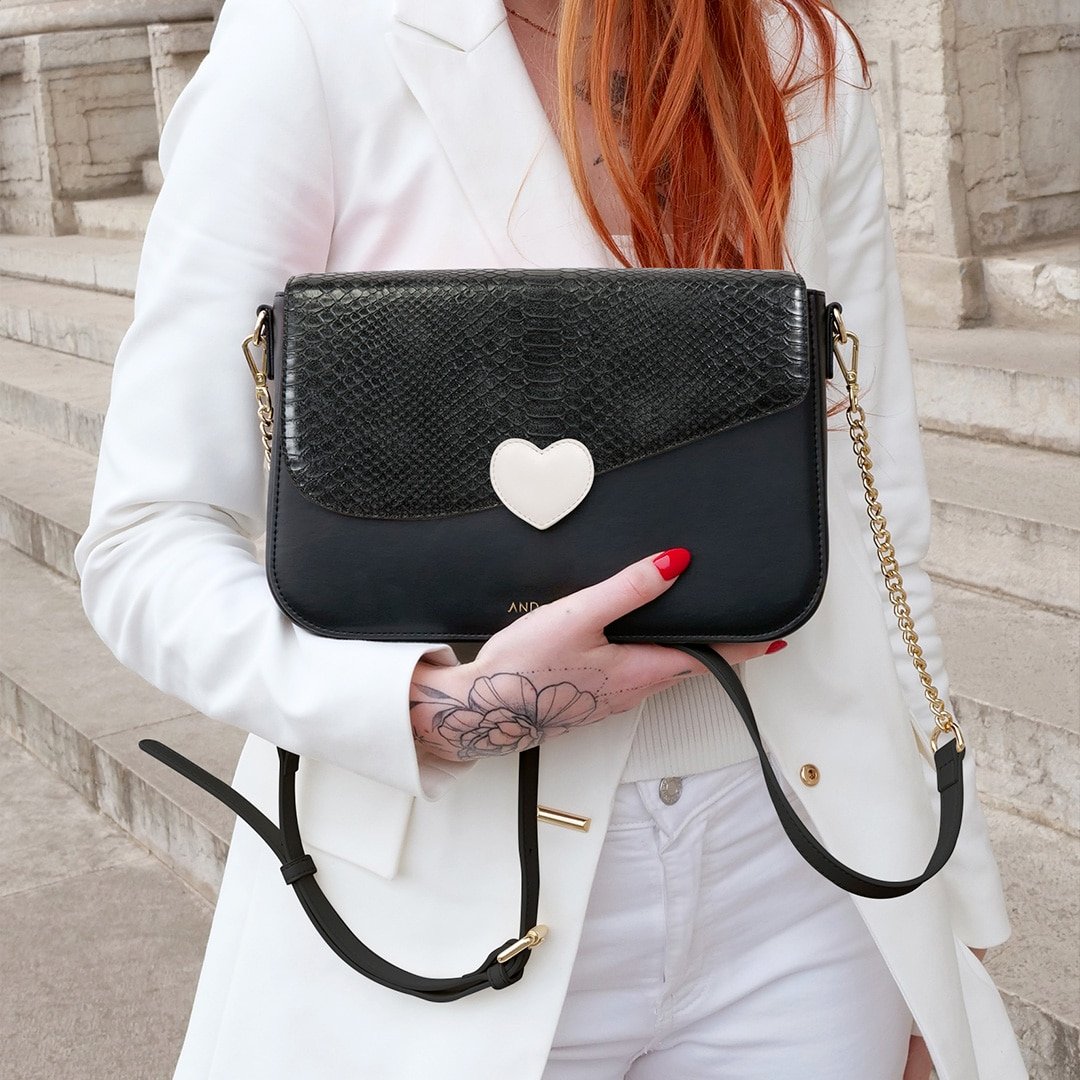
The crossbody bag remains one of the most compelling. It frees up your hands, easily structures a silhouette, and suits an urban pace. It's a great choice if you're looking for a versatile piece, dressy enough for an appointment and practical enough for real life. The mini format, on the other hand, offers a more fashionable look, but you have to be willing to truly pare down what you carry.
The leather-free tote also deserves its place among the best leather-free women's bags, especially for those who want space without sacrificing style. It's a good companion for long days, work, travel, or busy schedules. Its only real point of caution is the weight once filled. A large bag must remain comfortable to carry, otherwise, it quickly ends up in the closet.
The shoulder bag, whether more flexible or structured, often plays the card of immediate elegance. It works very well if you like a polished look without being too formal. As for modular models, they meet an increasingly strong expectation: being able to adapt your bag to your desires, your outfit, and your daily life without multiplying full purchases.
Not all leather alternatives tell the same story. Some prioritize price, others technicality, and still others environmental impact. To choose well, you need to look beyond vague promises.
Entry-level synthetic materials can be appealing at first glance, but they often show their limitations quite quickly. Artificial shine, prominent creases, surfaces that wear out in friction areas, and a too-plastic feel to the touch. If you're looking for a bag that stays beautiful, it's better to aim for a more refined material.
Conversely, premium recycled materials often offer a better compromise. They allow for a more chic look, a more stable shape, and resistance designed for repeated use. This isn't just an argument about composition. It's what determines the feel in your hand, how the bag ages, and the pleasure you get from carrying it.
You also need to consider maintenance. A well-designed leather-free bag can be simpler to live with daily than a more demanding animal-based model. It tolerates certain splashes better, requires less specific care, and easily fits into an routine active. However, that doesn't mean you should neglect quality. A practical but not very durable material remains a bad investment.
There's a new expectation among women who love fashion but reject overconsumption. They don't just want a beautiful bag. They want a beautiful bag capable of evolving with them.
This is where the idea of modularity becomes particularly relevant. Being able to change a strap, a flap, a clasp, or a style detail transforms the experience. The bag follows the outfit, the occasion, the mood. It becomes more personal, more intelligent too. You don't replace everything; you compose.
In this logic, a customizable model has a real advantage over many more classic bags. It allows you to create a unique piece without sacrificing ease of use. It's also a more sustainable way to love fashion – refreshing your look with chosen elements rather than accumulating similar bags.
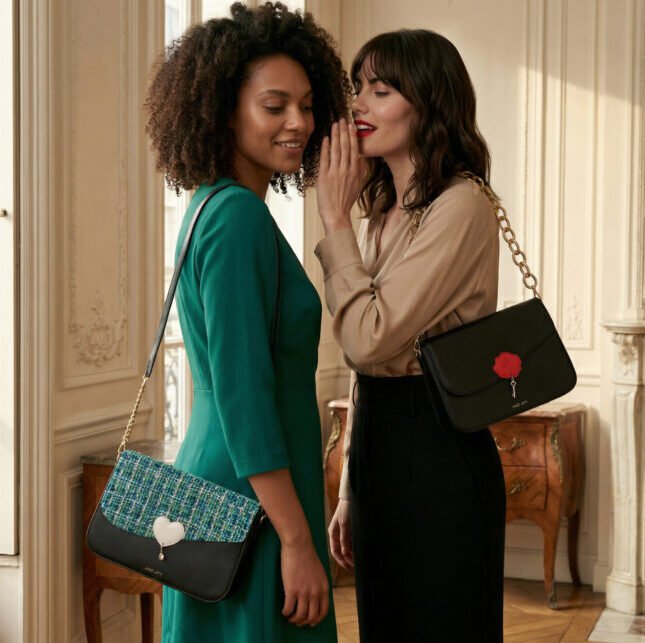
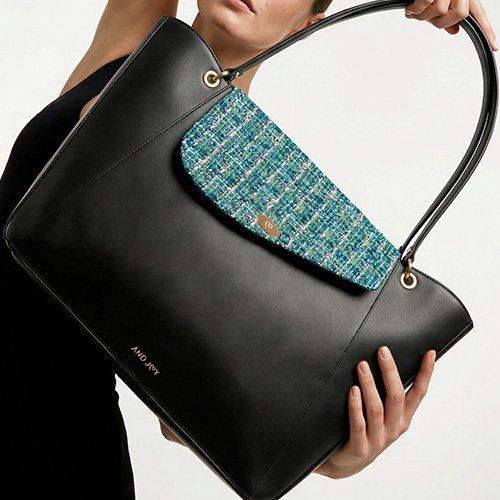
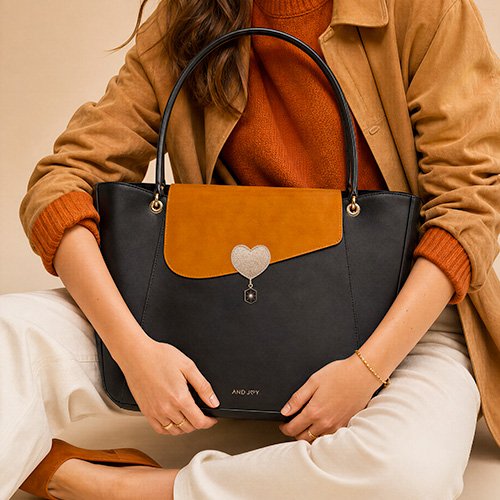
This is the vision that And Joy embodies, with an approach to bags designed as a customizable wardrobe. Style remains central, but it's accompanied by Italian craftsmanship, premium non-animal materials, and true freedom of personalization. More than a bag, it's a choice.
When comparing several models, we often focus on color or shape. However, it's the practical details that confirm whether the bag is truly well-chosen.
Look at the strap length. An adjustable shoulder strap makes a big difference in comfort and look. Also, check the opening. A very beautiful bag that's complicated to open quickly becomes annoying. Same goes for the interior; a well-placed pocket can be enough to make a model much more pleasant for daily use.
Empty weight is another underestimated criterion. A structured bag can be magnificent, but if it's already heavy before being filled, the experience won't always follow. Finally, the flap color deserves real consideration. Black is obvious, beige is very chic, while burgundy or khaki often add more personality without losing versatility.
The right choice depends less on trends than on your pace. If you alternate between commuting, appointments, and after-work outings, opt for an intermediate size with a good structure and a comfortable shoulder strap. You'll have enough space without weighing down your silhouette.
If you're looking for a piece to elevate simple looks, a more compact, architectural, or customizable bag can make all the difference. It catches the eye, defines the outfit, and adds that extra touch of flair that changes everything with jeans, a blazer, or a flowy dress.
For very intensive use, it's better to prioritize durability and interior organization over pure fancy. This isn't less fashionable. It's simply a more sensible way to shop. A successful bag doesn't ask you to choose between beauty and utility.
The first trap is the false bargain. A very low price might seem appealing, but a poorly finished bag often costs more in the long run because it needs to be replaced quickly. The second is the overly trendy model, designed for one season and already dated a few months later.
You also need to be wary of vague descriptions. When a brand talks about quality without specifying the material, manufacturing, or finishes, it's best to take a closer look. A responsible positioning must be based on concrete elements, not just reassuring words.
Finally, don't buy a bag for an idealized version of your daily life. Buy it for your real life. The one with a phone, keys, a busy schedule, sometimes lunch on the go, and often the desire to stay effortlessly elegant.
Choosing among the best leather-free women's bags isn't about seeking a compromise. It's about asserting a look, a demand for quality, and a freer way to consume fashion. The right bag doesn't just follow your days. It reveals your style, with accuracy, character, and pleasure.





Offre de bienvenue
Laissez-nous votre email : −10 % pendant 30 minutes, même sur les lots déjà à −20 %.
En validant, vous acceptez de recevoir nos emails. Désinscription en un clic.
C'est fait !


