

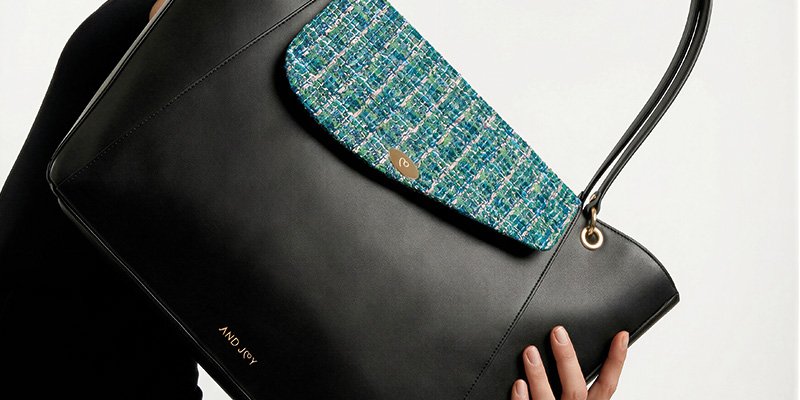
You spot a bad everyday bag right away. Too small by 10 AM, too heavy by noon, too flimsy after a few weeks, or simply out of sync with your actual style. A good guide for choosing a women's daily bag isn't about following a rigid rule. It's about finding the perfect harmony between your pace, your style, and what you truly expect from an accessory you carry almost every day.
The real issue isn't just about trends. It's about utility. A daily bag needs to be practical enough to keep up with a busy day, elegant enough to remain desirable, and well-designed enough not to force you to choose between style and comfort. That's where the choice gets interesting.
Before looking at shape or color, ask yourself a simple question: what do you carry, every day, without exception? Phone, wallet, keys, and glasses, of course. But also a slim water bottle, headphones, a notebook, a makeup bag, sometimes a tablet, sometimes a small beauty kit. The right size isn't chosen from a photo. It's chosen based on actual contents.
If you're used to carrying only the essentials, a compact, well-compartmented size might suffice. If your days involve a mix of office, commute, appointments, and impromptu detours, you'll need a more generous volume, without falling into the bottomless pit of a tote bag where everything disappears. The ideal is often somewhere in between: a structured model, with enough space, but a clean silhouette.
You also need to think about how often you open it. A bag you open twenty times a day needs to remain easily accessible. A closure that's too stiff or a poorly organized interior quickly becomes irritating. Conversely, a model that's too open might offer less security on public transport or when traveling. It's all about balance.
For a very mobile daily life, a shoulder or crossbody bag often remains the most natural choice. It frees up your hands, accompanies your movements, and easily integrates into an urban look. A tote, on the other hand, is valuable if you carry more, provided you don't sacrifice its structure or closure. A more compact, structured bag is perfect if you like clean lines and well-managed contents.
The classic trap is buying for a fantasized version of your life. A gorgeous mini-bag won't become practical just because it's trendy. Conversely, a large, ultra-functional model won't be the right choice if it makes you feel like you're carrying your office on your shoulder. The right daily bag is the one you grab without hesitation in the morning.
An everyday bag doesn't need to be neutral to be easy to live with. It just needs to be able to work with multiple outfits, moods, and occasions. That's the whole difference between a bag you admire and a bag you actually wear.
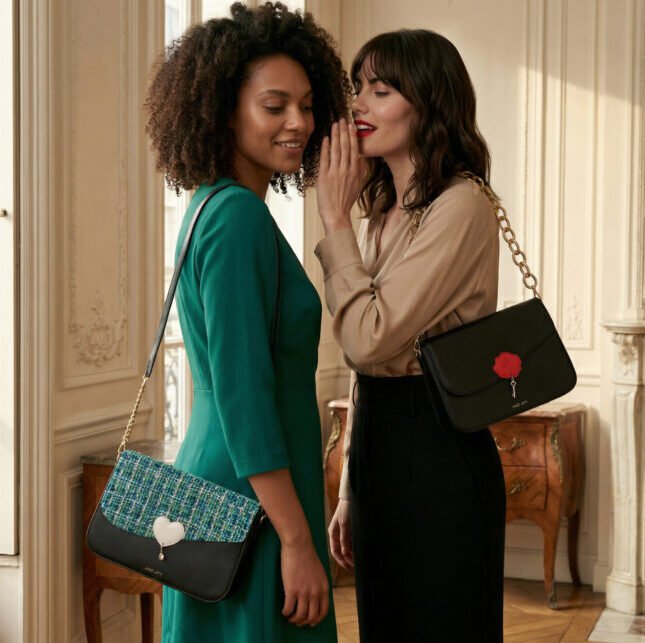
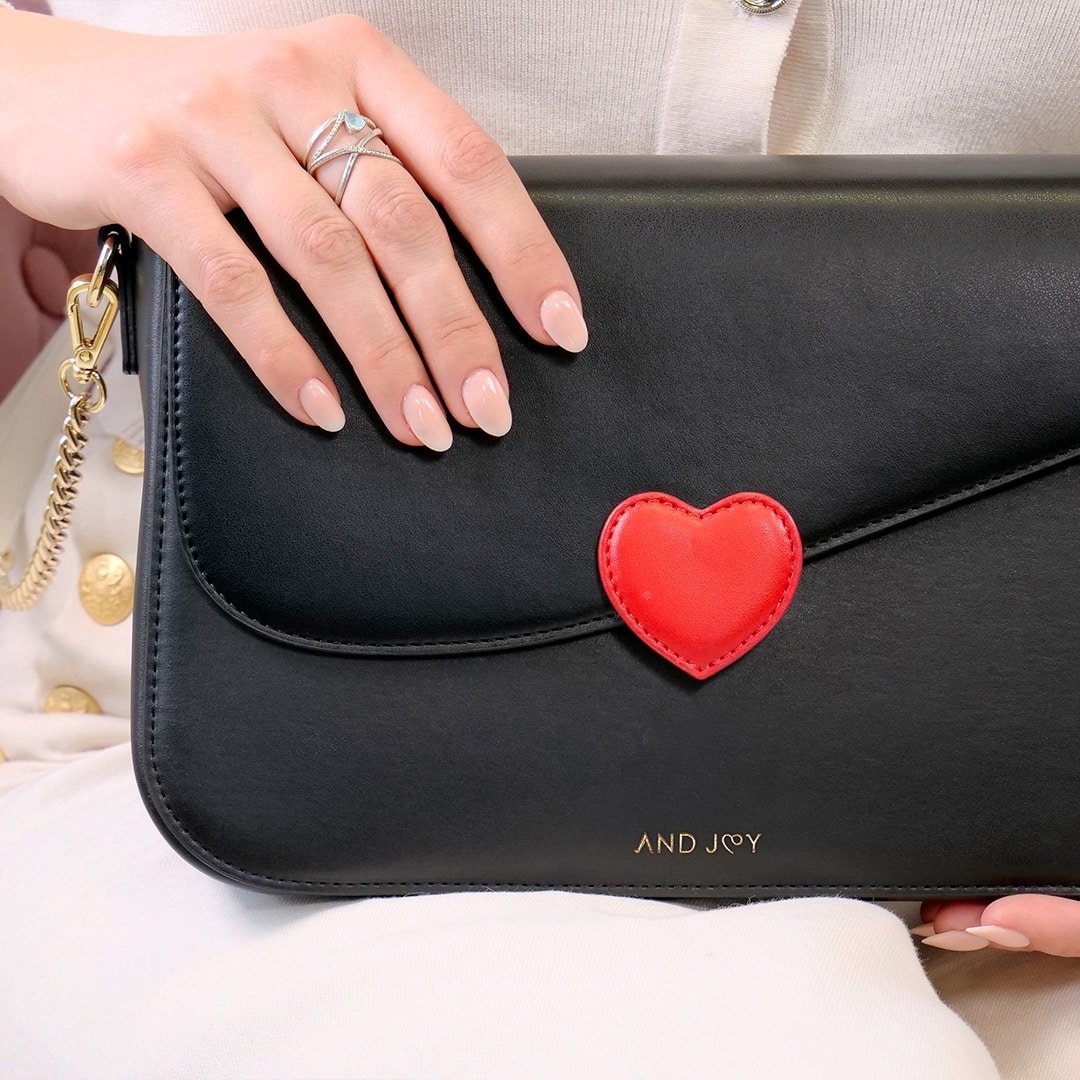
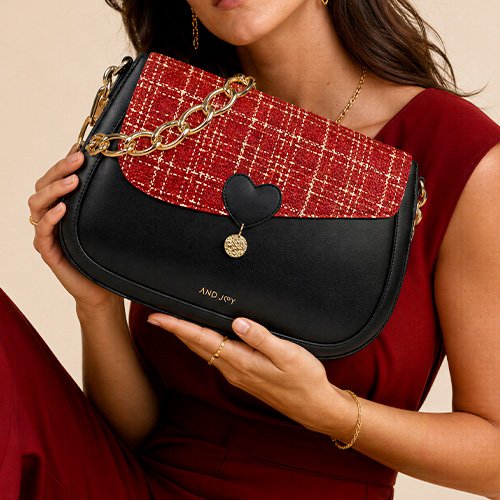
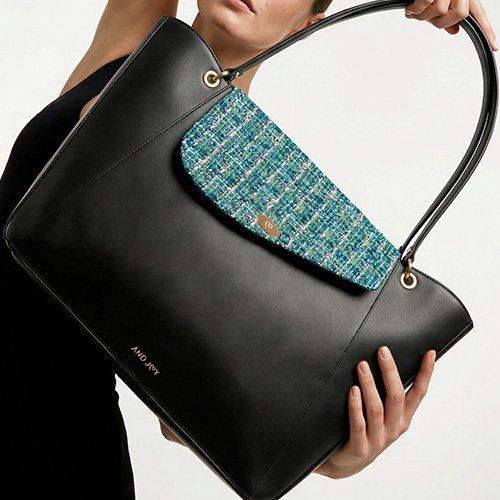
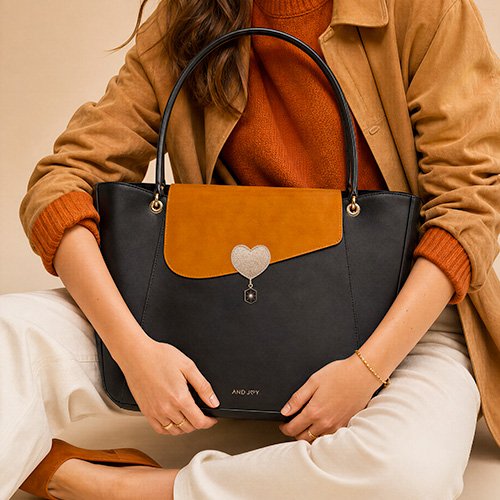
Timeless flap colors remain safe bets: black, camel, taupe, deep beige, chocolate, burgundy. They easily complement a varied wardrobe. But a daily bag can also express a true personality. A different strap, a distinctive clasp, or a well-chosen color can sometimes be enough to make a piece much more unique without making it difficult to pair.
This is where a modular model becomes particularly relevant. Being able to evolve the look of your bag without starting from scratch changes your relationship with the accessory. You adapt the style to your desires, to the season, to a more minimalist or more fashionable silhouette, all while keeping the same base. You consume less, you vary more, and your bag remains true to your daily life.
Some women like sharp, almost architectural lines. Others prefer softer, more spontaneous shapes. Some want a discreet bag that lets their silhouette speak. Others look for a piece that defines the look. None of these choices is more right than another. The best criterion remains your consistency: is this a piece that will still feel like you in six months, and not just today?
If you're unsure, observe your clothing habits. A very streamlined wardrobe pairs well with a bag that has a strong detail. A closet already rich in prints, textures, or colors often benefits from being balanced by a more understated shape. Your daily bag shouldn't fight with your style. It should support it.
You can often tell the quality of a bag before you even touch it. A material that holds its shape well, clean finishes, a reassuring handle, solid attachments, a thoughtfully designed interior. These are details, but they're what make the difference between a pleasant purchase and a lasting one.
The material affects everything: appearance, resistance, weight, maintenance, and how it holds up over time. A good daily bag should be able to withstand friction, repeated handling, and changes in pace without losing its appeal. Premium vegan materials, when well-chosen, meet this expectation very well. They allow for a fashionable look, good resistance to use, and consistency with more responsible convictions.
Origin and manufacturing also matter. A well-thought-out design and demanding craftsmanship are felt in the daily experience. European manufacturing, for example, reassures about the level of finish and the consistency of the product. This isn't an abstract argument. It's what allows a bag to remain desirable after months of real use.
A beautiful but uncomfortable bag always ends up in the closet. So, comfort deserves the same attention as style. Look at the strap width, the carrying length, how the bag hangs against your body, and its empty weight. A model that's already heavy before it's even filled quickly becomes a burden.
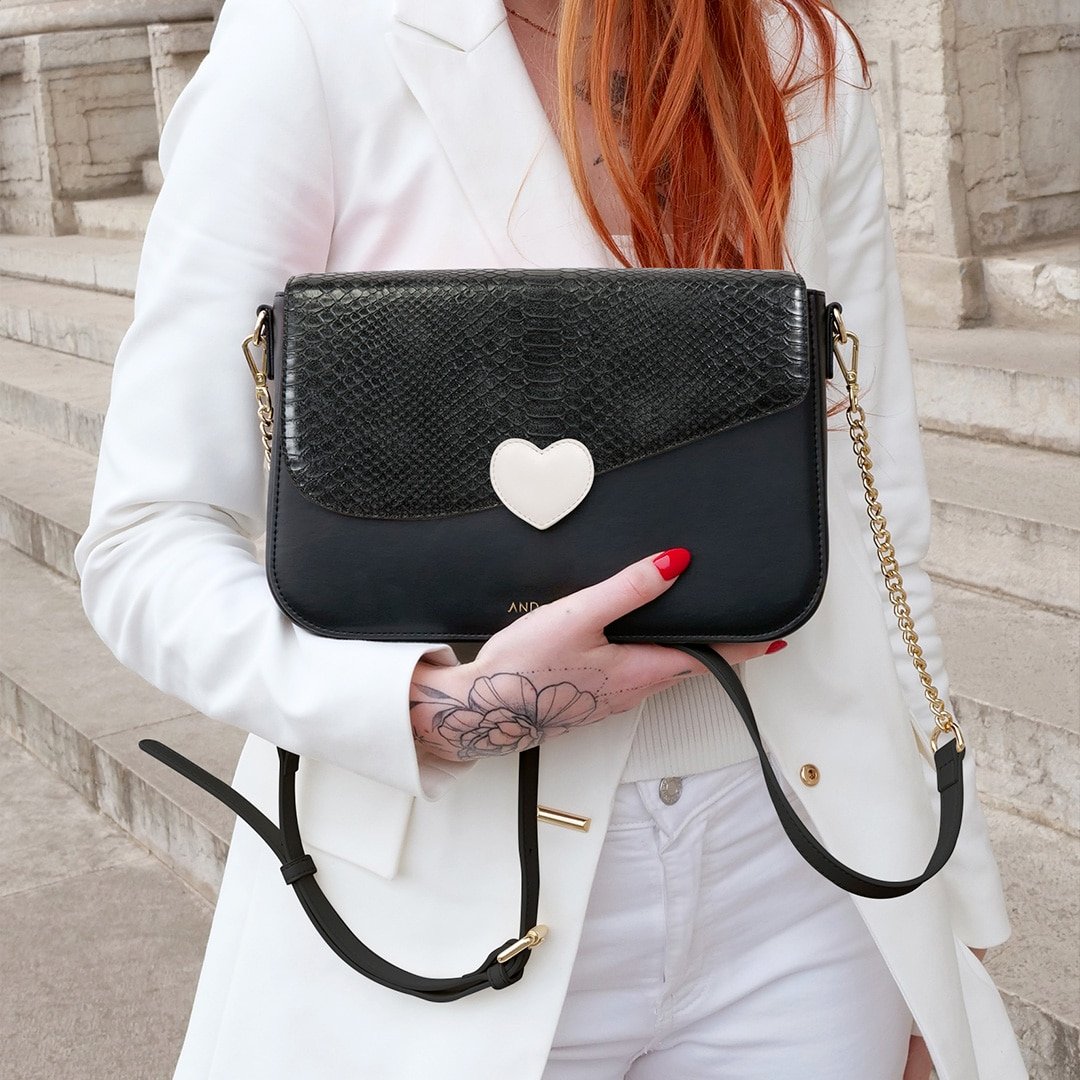
Crossbody carry is often ideal for long days. Shoulder carry offers a more classic and very elegant look, provided the handle stays in place. Some prefer to alternate depending on the moment. Here again, modularity brings true freedom. Changing the strap according to your outfit or schedule isn't just a style detail. It's a smart way to adapt the bag to your life.
We talk a lot about the exterior, not enough about the interior. Yet, a pleasant bag to live with is a bag where you find your things without rummaging for three minutes. A well-placed pocket, a useful divider, a stable base, a clear opening: these are simple elements, but they make daily life much smoother.
If you carry valuables or essentials that need to be kept close at hand, interior organization becomes even more important. It's not about multiplying compartments for the sake of it. It's about avoiding constant clutter.
The right daily bag isn't necessarily the one that promises to do everything for everyone. It's the one that precisely matches your use, your taste, and your standards. This more selective approach changes everything. You're no longer buying a default option. You're investing in a piece that truly accompanies you.
It's also a more accurate way to think about fashion. Choosing an adaptable, durable bag with beautiful materials and careful craftsmanship allows you to break free from the logic of constant replacement. A brand like And Joy expresses it very well: more than a bag, a choice. Style becomes more personal, and consumption more consistent.
When you like two bags, don't just decide based on the photo. Imagine a full week with each of them. Which one works with your coat, your shoes, your busy days, your impromptu outings? Which one makes you want to get dressed up, not just put your stuff away?
Also, think about its potential for evolution. A great daily bag gains points if it can change its look according to your desires. That's often what transforms an attractive purchase into a signature piece. The right model shouldn't just suit you today. It should be able to follow you, enhance you, and remain relevant over time.
Choosing your daily bag is choosing a style object, of course, but also a companion for your rhythm, movement, and expression. If you feel that a model simplifies your days while affirming your style, you're already very close to the right choice.





Welcome offer
Leave us your email: −10% for 30 minutes, even on bundles already at −20%.
By validating, you agree to receive our emails. Unsubscribe in one click.
It's done!


