

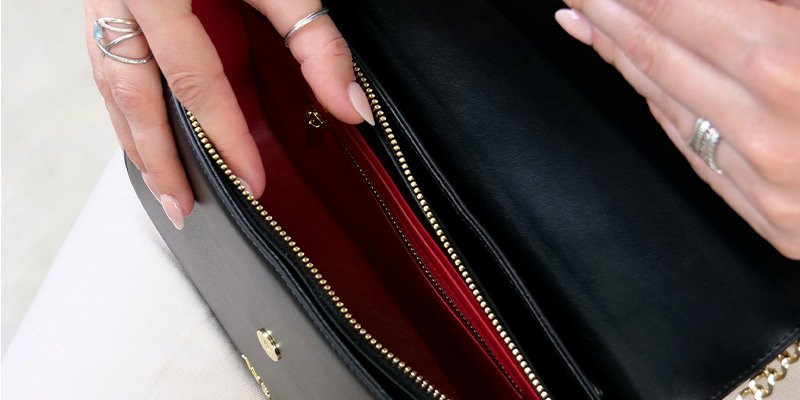
A beautiful bag shouldn't lose its charm after just a few months. When you choose to care for a premium vegan bag with diligence, you're protecting more than just an accessory; you're preserving a style statement, an everyday companion, and a purchase made to last.
The good news is that beautiful non-animal materials don't require complicated steps. They mostly need regularity, a little gentleness, and the right habits. That's often where it all comes together. Light but consistent maintenance is better than a big, improvised cleanup after a stain has set in or the shape has sagged.
A premium bag, whether made from recycled or non-animal material, is designed to maintain its beautiful shape, pleasant feel, and crisp visual presence. But premium doesn't mean invincible. Friction, light, humidity, and urban pollution all have an impact.
The most common mistake is treating a vegan bag like a leather bag, or conversely, like a simple accessory with no particular requirements.
Well-maintained, a bag ages gracefully. And when it's a customizable or modular design, the stakes are even higher: the more pristine the base remains, the more each change of flap, strap, or clasp retains that new-bag feel that makes all the difference.
The best care starts even before a mark appears. After a day of commuting, meetings, or outings, make it a habit to empty your bag and shake it very gently to remove dust and small debris. This simple action prevents crumbs, pigments, or metal objects from wearing down the interior over time.
Next, wipe the exterior with a soft, clean, slightly damp cloth. No need to scrub. The idea is to remove the film of dust or superficial marks. This action is often enough to revive its shine.
The areas to watch closely are the contact points. Handles, corners, the closure tab, and edges are the first parts exposed. They endure repeated handling, the warmth of your hand, and friction against a coat or jeans. By observing them regularly, you'll spot what needs gentle attention sooner rather than a late repair.
You also need to think about what you put inside. A bag that carries loose keys, an unprotected pen, a poorly sealed powder compact, or a leaky water bottle will always show it eventually. Using small pouches isn't obsessive. It's just elegant, practical, and very effective for keeping the interior neat.
When a mark appears, speed matters. The longer you wait, the more the material absorbs surface residue or gets stained by contact with a product. For most small marks, a slightly damp microfiber cloth is enough. The key word here is slightly. The cloth should not be soaked.
Dab or gently wipe the area, without rubbing aggressively. Too much pressure can locally polish the material or spread the dirt instead of removing it. If needed, add a drop of mild, pH-neutral soap, then wipe again with a clean, barely damp cloth to remove any residue.
Then, let it air dry, away from a radiator, hairdryer, or a window in direct sunlight. Direct heat is tempting when you want to rush, but it can harden certain finishes or create differences in appearance.
Absolutely avoid: household wipes, alcohol, nail polish remover, multi-purpose stain removers, and balms intended for animal leather. Many so-called miracle products are too greasy, too abrasive, or simply unsuitable for premium vegan materials. If in doubt, it's better to test on an inconspicuous area or refrain.
It all depends on the nature of the stain. A makeup mark, for example, isn't treated the same way as an ink stain. The first can sometimes fade with repeated gentle cleaning, while ink often sets in faster. In that case, it's better not to multiply home remedies. By rubbing too much, you risk damaging the finish more than the stain itself.
For color transfers, especially with raw denim or dark clothing, prevention remains the best strategy. Some light materials are naturally more exposed. This isn't a defect; it's the flip side of a bright and sophisticated color. If you often wear black, navy, or raw denim, a little vigilance makes all the difference.
A bag also gets tired when it's not being used. Poorly stored, it can deform, wrinkle, or lose that structured presence that gives it its premium look. The right approach is to store it lightly filled with tissue paper or a clean cloth, just enough to support its shape without stretching the material.
Keep it in a dust bag, away from dust and direct light.
Also avoid stacking several bags on top of each other, especially if some have exposed chains, clasps, or metal parts. Repeated pressure creates marks, sometimes subtle at first, but visible over time.
If your bag consists of modular elements, storage requires even more attention. Straps, flaps, charms, or clasps should ideally be stored separately or protected from each other to prevent scratches and friction.
This is precisely the point of a bag designed to evolve with you. By maintaining each component with the same care, you extend the feeling of newness with every composition. At And Joy, this philosophy is part of the pleasure: changing your style without starting from scratch, all while keeping a flawless base.
We often think of rain, but that's not your bag's main enemy, given that it's waterproof and isn't afraid of water. The real issue, day-to-day, is repeated habits. Putting your bag on the floor in public transport or at a restaurant, or overloading it excessively—these are the actions that accelerate wear and tear.
Perfume is another often-forgotten point. Sprayed directly on the bag, it can mark certain finishes. It's better to perfume your skin or clothes before getting dressed, then let it dry.
There's no single rule, because everything depends on the color, frequency of use, and your lifestyle. A light-colored bag worn daily in the city won't have the same needs as a dark model reserved for special occasions.
Generally, a quick dusting from time to time and an occasional gentle cleaning when a mark appears are more than enough. The main principle is consistency. Waiting until the bag is visibly dirty then requires more forceful, and thus riskier, actions.
Also, make it a habit to do a mini visual check every two weeks. Look at the corners, fasteners, interior, and edges. Two minutes is all it takes. This habit allows you to act early, correct a bad storage habit, or identify an accessory that needs more protection.
A well-maintained bag isn't just noticed by its condition. It changes the way a silhouette carries itself. It gives that crisp, precise, confident finish that transforms an outfit without overdoing it. It's a visible form of care, but never ostentatious.
Choosing a premium vegan piece is already asserting a style and convictions. Keeping it beautiful over time extends that choice with consistency. Not to put it under glass, but to continue wearing it often, for a long time, and with the same pleasure as on day one.
A beautiful bag deserves better than approximate care. A few simple steps, regular attention, and a little gentleness are enough for it to remain exactly what it should be: a piece that follows you, reflects you, and loses none of its impact.








Offre de bienvenue
Laissez-nous votre email : −10 % pendant 30 minutes, même sur les lots déjà à −20 %.
En validant, vous acceptez de recevoir nos emails. Désinscription en un clic.
C'est fait !


