

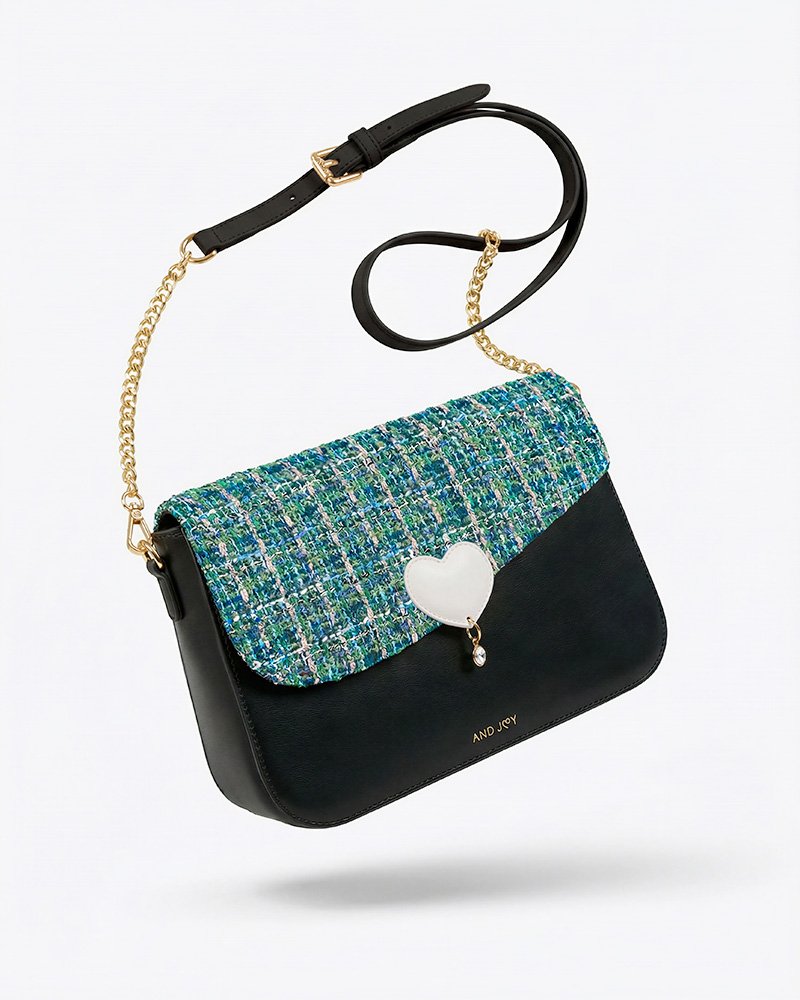
A bag can define a silhouette in a second. It can also freeze it. That's where French leather goods and design for women changes the game: it's no longer enough to just be pretty; it has to keep up with a lifestyle, a desire for style, a material conviction, and a real need for utility.
Today, choosing a bag isn't just about deciding between mini or maxi. The real issue is balance. You want a desirable, well-designed piece, strong enough to give character to an outfit, but smart enough for everyday life. You also want to recognize yourself in what you wear. Not in a standardized accessory designed for everyone.
It's no accident that French design holds such a prominent place in the world of accessories. It evokes a very particular kind of stylistic precision. Nothing too much, nothing bland. Lines are carefully crafted, proportions matter, and details serve both function and flair. This approach is recognized by an elegance that remains wearable.
For an active, urban, mobile woman, this promise is invaluable. A beautiful bag isn't enough if it's too heavy, if it can't hold anything, or if it doesn't adapt to any real-life day. Conversely, a purely practical model can quickly lose its appeal. French design is popular because it handles this tension with finesse: it considers style without forgetting movement, life, and practical uses.
There's also a clearer expectation than before around identity. Many women no longer buy a bag as a static object, but as a wardrobe piece. A piece that needs to interact with multiple looks, moments, and moods. This is where contemporary creation takes a real turn.
The market has long pitted two visions against each other: the trendy bag you quickly replace, and the classic bag you keep for a long time but sometimes get tired of. Between the two, a new demand is emerging. We expect style, of course, but also flexibility.
This flexibility can take several forms. First, versatility. The same model should be able to accompany straight-leg jeans, a soft suit, a flowing dress, or a structured coat. Second, durability. Not just in terms of resistance, but in terms of lasting appeal. A bag remains interesting when it continues to reinvent itself with you.
Finally, there's the question of materials. A beautiful feel, a clean drape, and meticulous finishing remain essential. But the origin of materials and the production method are now fully part of the equation. Today's luxury is no longer solely based on status. It's also based on coherence.
This is undoubtedly the most significant evolution. A woman might love a line, a color, a clasp. But if the bag doesn't hold up all day, if it slips off her shoulder, if it lacks compartments, or if it only suits one occasion, the purchase becomes less obvious.
Good design isn't decorative. It organizes, facilitates, and enhances. It brings a feeling of rightness. It's this feeling that makes you always grab the same bag before heading out.
Personalization is no longer just a fashion detail. It addresses a very concrete expectation: no longer having to choose between uniqueness and functionality. A customizable bag allows you to create a piece that truly reflects the person wearing it, without sacrificing the elegance of a pre-designed look.
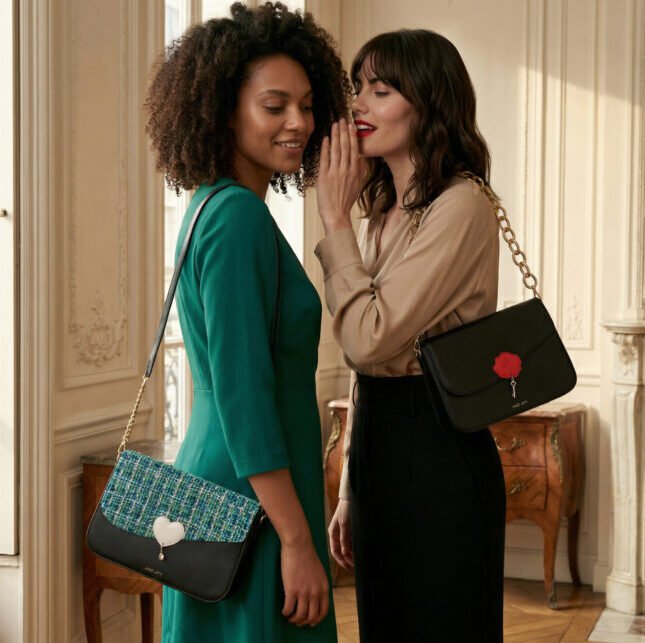
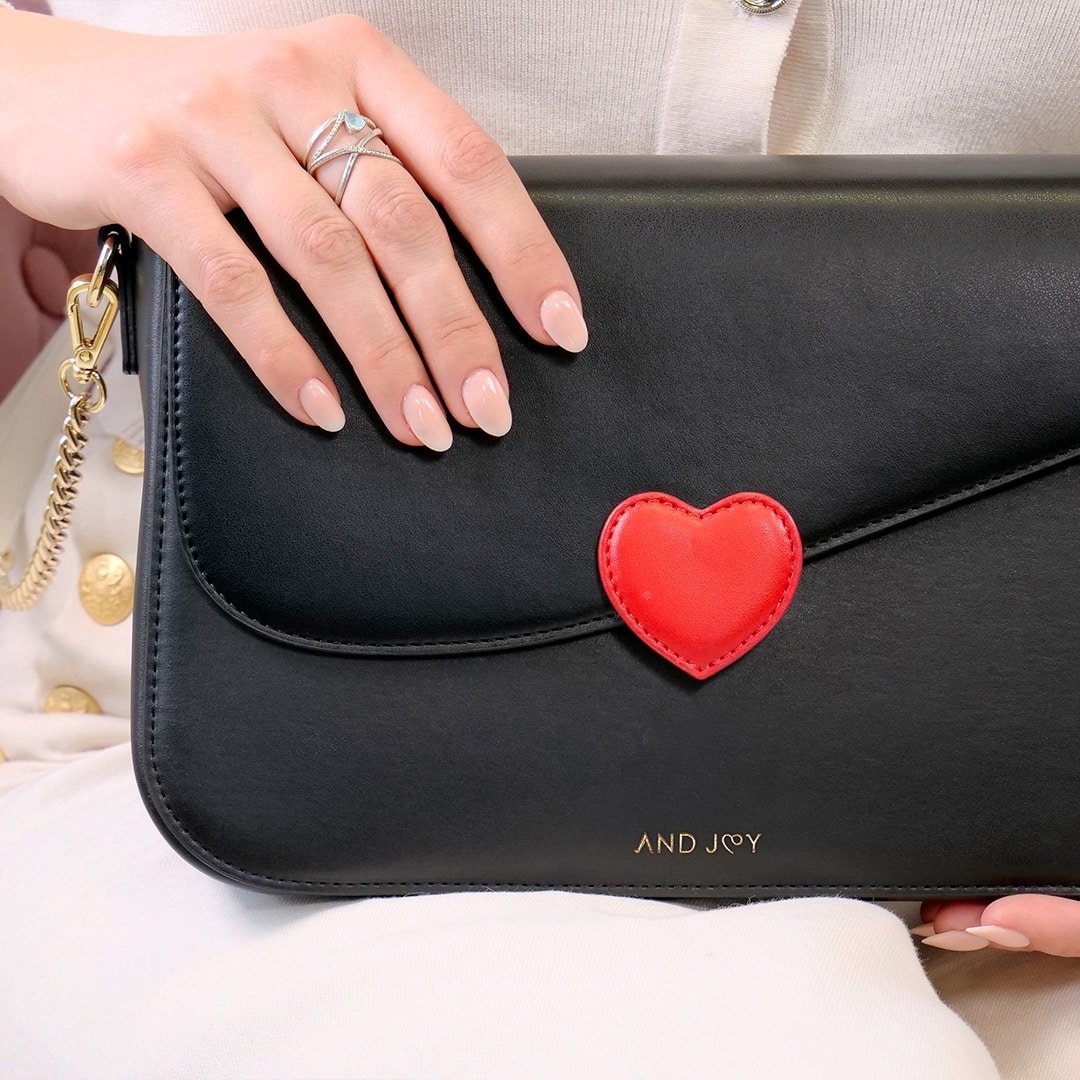
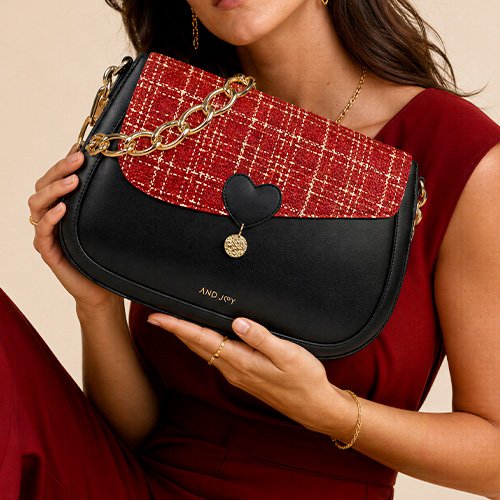
This is a significant change. For a long time, customizing meant adding initials or selecting a color. Today, we go further. Shape, flap, strap, clasp, accessories, style details: each element can transform how the bag is perceived. The result isn't a gimmick. It becomes alive.
This approach has another, often underestimated, advantage: it limits visual wear and tear. Changing certain components allows you to refresh its look without replacing the whole thing. You keep a strong base and adapt the expression. More than a bag, it's a smart style choice.
This is where personalization becomes desirable beyond the novelty effect. Instead of buying several similar bags, you build a more cohesive accessory wardrobe. A structured base for everyday, a trendier strap for the weekend, a bolder flap for the evening, a jewelry detail to complete the silhouette.
It all depends on your lifestyle. If you like to change your look often, modularity has an obvious appeal. If you prefer to invest in fewer but better-chosen pieces, it becomes just as relevant. In both cases, it avoids overly rigid consumption.
There isn't one perfect bag in absolute terms. There's a bag that's just right for a way of life. Some want a signature piece, strong, immediately recognizable. Others primarily seek an easy, elegant model, capable of getting through the week without a hitch. Many now want both.
That's precisely why evolving models are gaining so much traction. They allow you to adjust without giving up. To dare a color, then return to a more neutral tone. To switch from a shoulder carry to a crossbody. To make a bag dressier or more casual depending on the moment.
This freedom changes the relationship with the product. You no longer just buy a finished object. You adopt a style base that can transform. It's more personal, but also more reassuring. You know your bag won't be confined to just one version of yourself.
Today, beauty alone isn't enough to make us forget everything else. And that's good news. In leather goods, commitment shouldn't be an argument tacked on to the product. It must be integrated into its design.
This involves better-chosen materials, demanding manufacturing, and a logic of real durability. It also involves a design that encourages keeping, evolving, repairing, or complementing instead of discarding. Refinement takes another form: less excess, more intelligence.
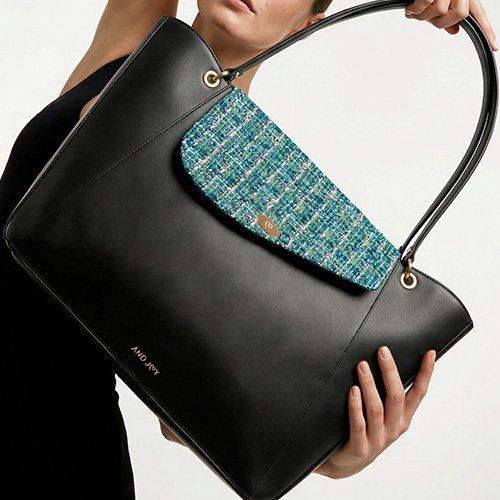
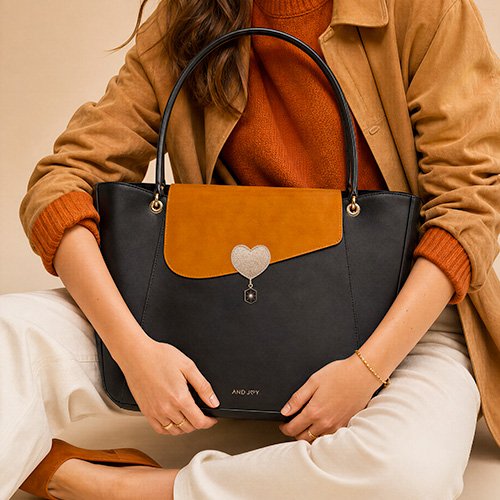
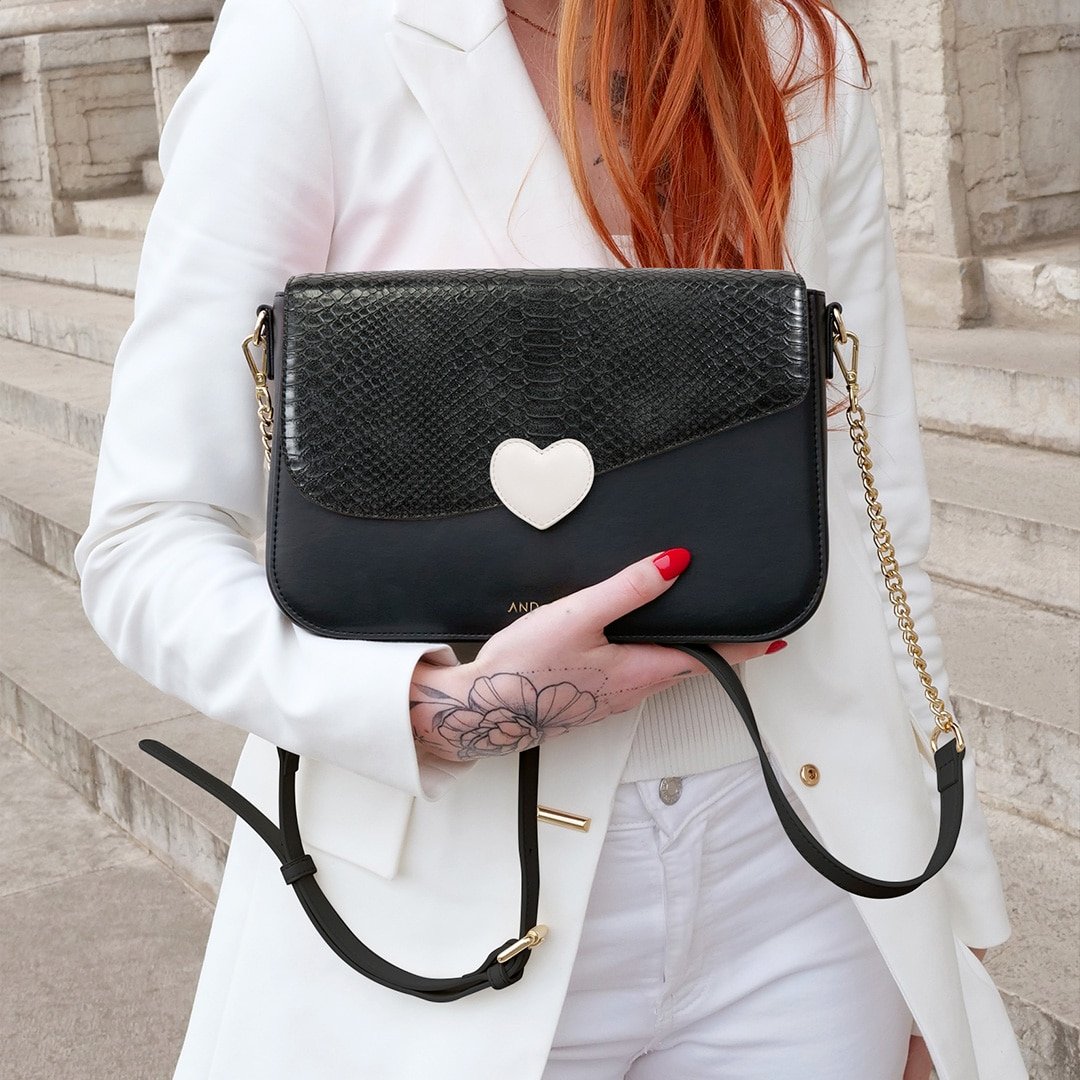
And Joy perfectly embodies this vision with an approach to customizable bags that combines French-designed aesthetics, Florentine manufacturing, and modularity built to last. This choice speaks to a woman who wants a desirable accessory, but also one that aligns with her uses and convictions.
The underlying trend is clear. Women no longer want to choose between style, quality, responsibility, and freedom. They want a piece that does all of this at once, without unnecessary complications. A bag that immediately adds style, then continues to earn its place over time.
French design has a particular role to play in this evolution, because it knows how to cultivate desirability with restraint. When combined with modularity, European manufacturing, and responsible materials, it becomes even more relevant. It doesn't just follow a trend. It responds to a deep expectation.
Ultimately, the most beautiful bag isn't necessarily the one you notice first. It's often the one you choose again, and again, and again, because it resembles you a little more with each version.





Welcome offer
Leave us your email: −10% for 30 minutes, even on bundles already at −20%.
By validating, you agree to receive our emails. Unsubscribe in one click.
It's done!


