

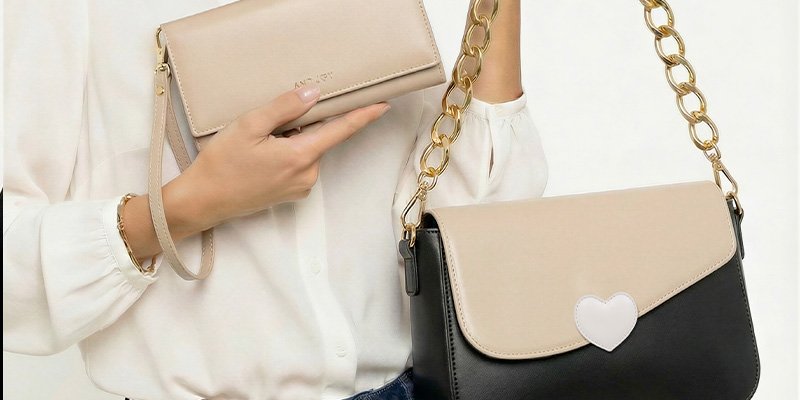
A bag that still looks great after months of use, that keeps its shape through your daily grind, and that aligns with your values—that's never just luck. When we ask what materials make a durable bag, we're talking about looks as much as resilience, touch as much as lifespan, and the joy of carrying it as much as conscious consumption.
The truly good choice isn't just a trendy material or a marketing promise. It's a balance of quality, daily use, maintenance, origin, and the bag's ability to weather the seasons without losing its appeal. More than just a bag, it's a choice.
Before comparing materials, you need to consider your reality. A city bag carried every day has different requirements than an evening clutch or a large bag for travel. Durability isn't just about the spec sheet; it's about how well the material fits your lifestyle.
If you carry a laptop, a water bottle, a pouch, and your essentials, you need a material that holds its structure, resists rubbing, and doesn't show wear too quickly. If you like to change your style often, the material must also maintain its elegance despite varied uses. That's where a well-designed bag makes all the difference: it doesn't box you into one look; it adapts.
Ultimately, a durable material is one you want to keep. Strength matters, of course, but comfort in use, ease of care, and the ability to remain desirable matter just as much.
Recycled materials are among the most relevant options today for anyone looking for a durable bag without compromising on style. When well-crafted, they offer a premium look, good shape retention, and true coherence with a more responsible wardrobe.
Their main advantage is giving existing resources a second life while limiting the use of virgin materials. But it all depends on the quality level. An appealing recycled material shouldn't just tout an environmental benefit. It also needs to stand up to use, retain its color, respond well to stitching and finishes, and maintain a nice feel.
In contemporary leather goods, high-end recycled synthetic materials can offer a very convincing look, with a supple or grained surface that's easy for everyday wear. For an active woman who wants an elegant, practical bag that aligns with her values, this is often a very smart option.
Not all recycled materials are created equal. The exact composition, thickness, quality of the textile backing, and how the material has been treated significantly change the final result. A good material should maintain its shape without becoming rigid, and remain pleasant to the touch without becoming fragile too quickly.
You also need to observe its stability over time. Some very smooth surfaces might be visually appealing at first, but can show marks more easily on corners or friction points. Conversely, a slightly grained finish often better conceals daily wear.
Yes, provided you're discerning. A non-animal material isn't automatically durable, just as an animal material isn't always. What matters is the overall design quality of the bag.
Today, premium alternatives allow for a fashionable, clean, and sophisticated look without using animal leather. For many women, it's an obvious choice: they want a desirable, well-finished piece that aligns with a stronger ethical sensibility.
So the right question isn't just "vegan or not," but "how long will this material remain beautiful and functional?" A high-quality non-animal material, combined with careful manufacturing, can easily withstand regular use and maintain a real presence in your wardrobe.
The word "vegan" can sometimes be too quickly reassuring. It says nothing on its own about longevity, repairability, or actual quality. Some entry-level materials can crack, become shiny in contact areas, or lose their shape.
Conversely, a well-selected premium material, reinforced by good linings and beautiful finishes, can offer an excellent level of durability. That's why you need to look at the entire bag, not just the material label.
We often think first about the visible material. However, a bag's durability also depends on its interior. A lining that's too thin, poorly protected edges, or inadequately reinforced stress points can significantly reduce the lifespan of a beautiful piece.
A sturdy lining protects the structure, makes daily use easier, and enhances the feeling of quality. Reinforcements at the bottom of the bag, on strap attachments, or around clasps are also essential. These are the details that allow the bag to keep its shape and withstand real use, not just look good for a photoshoot.
Metal finishes also deserve your attention. A clasp, carabiners, or rings of poor quality can tarnish, scratch quickly, or weaken the entire piece. Conversely, good hardware provides security, comfort, and that distinct impression of a premium item.
If your goal is to keep the same bag for several years, you should prioritize materials that age gracefully. This means a surface that doesn't degrade abruptly, a texture that can handle daily life, and a design that isn't dependent on a fleeting trend.
Textured or grained materials are often a good choice for frequent use. They better hide small marks and more easily maintain a neat appearance. Materials that are too thin or too soft can be charming, but sometimes less suitable for intensive use if the bag's structure isn't perfectly designed.
You also need to consider the color. Very light tones generally require more attention. Deep or intermediate shades are often easier for daily life, especially if you alternate between the office, commuting, appointments, and going out.
We talk a lot about materials, and that's normal. But a durable bag is also one you keep wearing because it can evolve with you. That's where modularity truly comes into its own.
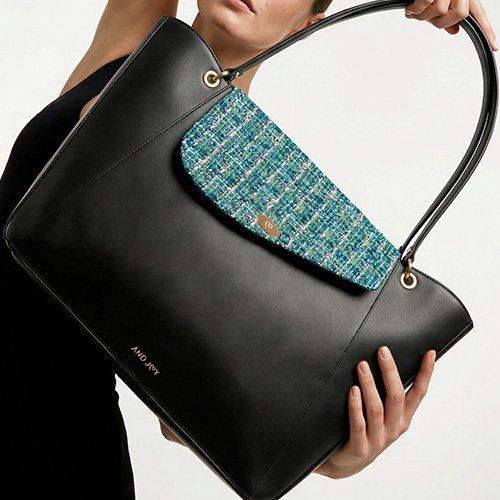
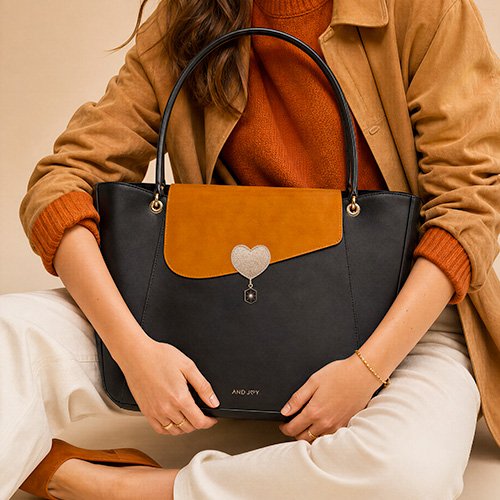
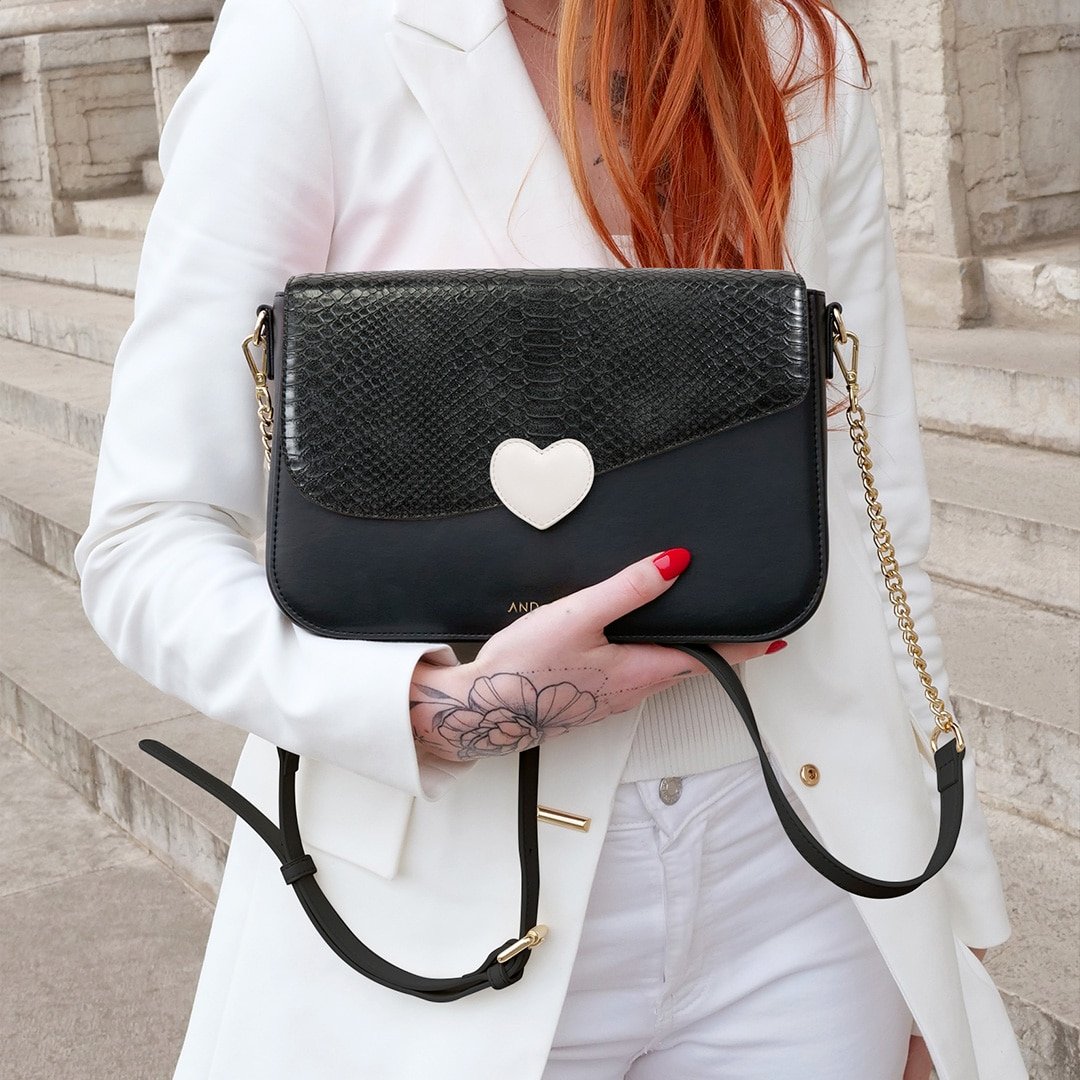
Being able to change a strap, a flap, or a visual detail allows you to refresh the style without replacing the entire bag. This approach naturally extends the product's lifespan in your closet, because it prevents boredom. You keep a quality base and transform its look according to your desires, your outfit, or the occasion.
It's a more vibrant, more fashionable vision of durability. You consume less, but you still treat yourself. At And Joy, this idea takes a very concrete form: creating a bag that reflects you today, and that can still accompany you tomorrow, in a different way.
A good material doesn't try to impress only at first glance. It reassures you when you touch it, when you open it, when you carry it full, when you set it down, and then when you pick it up the next day. Durability is felt in the way it holds its shape, in the consistency of the finishes, and in the absence of obvious fragility.
Look at the stitching, the neatness of the edges, how the material reacts to folds, the stability of the attachments, the drape of the strap. Ask yourself a simple question: does this bag seem designed to live, or just to charm for a few weeks?
The origin of manufacturing can also be a real indicator. Masterful craftsmanship, solid leather goods expertise, and serious quality controls profoundly change the final result. A beautiful material poorly assembled will never make a durable bag.
Searching for what materials make a durable bag isn't about finding a single answer. It's about choosing a premium, non-animal, or recycled material if it aligns with your convictions, but also a reliable structure, solid finishes, and a design you'll want to carry for a long time.
Perhaps the best criterion remains this: a durable bag is one you don't abandon in the back of a closet. It accompanies hurried days, important appointments, impromptu weekends, and changes of mood. When the material is well-chosen, when the manufacturing is spot-on, and when the style truly reflects you, the bag becomes more than an accessory. It becomes a no-brainer.





Welcome offer
Leave us your email: −10% for 30 minutes, even on bundles already at −20%.
By validating, you agree to receive our emails. Unsubscribe in one click.
It's done!


